Dakar, July 3 (APS) – The executive director of the Research and Action Center on Economic, Social and Cultural Rights (CRADESC), Fatima Diallo, invited Senegalese journalists on Thursday to better address the issues related to the energy transition and the associated policies for a better understanding by the public.
She emphasized the need to equip non-state actors, including journalists, in order to strengthen their role “in raising awareness about the policies implemented by Senegal to promote the emergence of clean energy and ensure a just energy transition.”
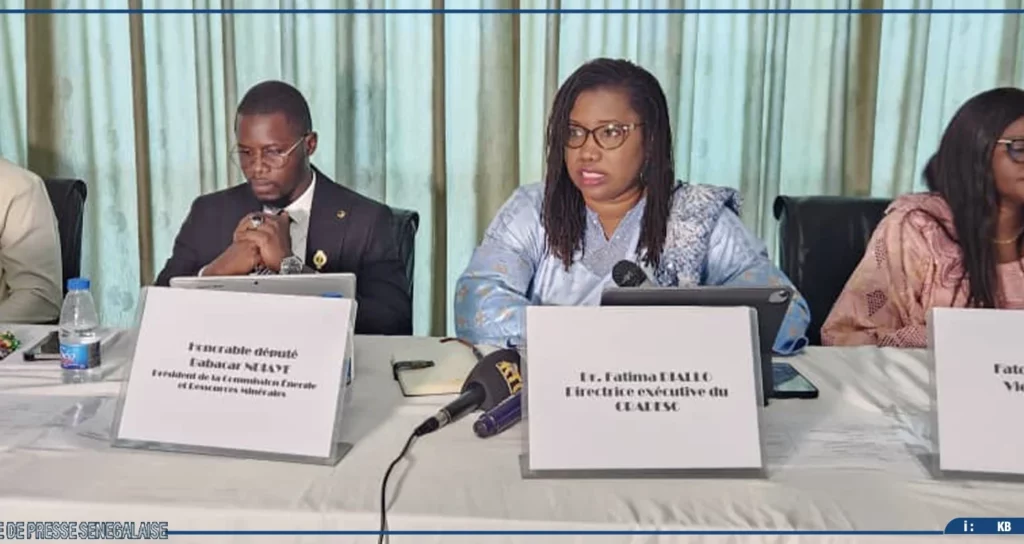
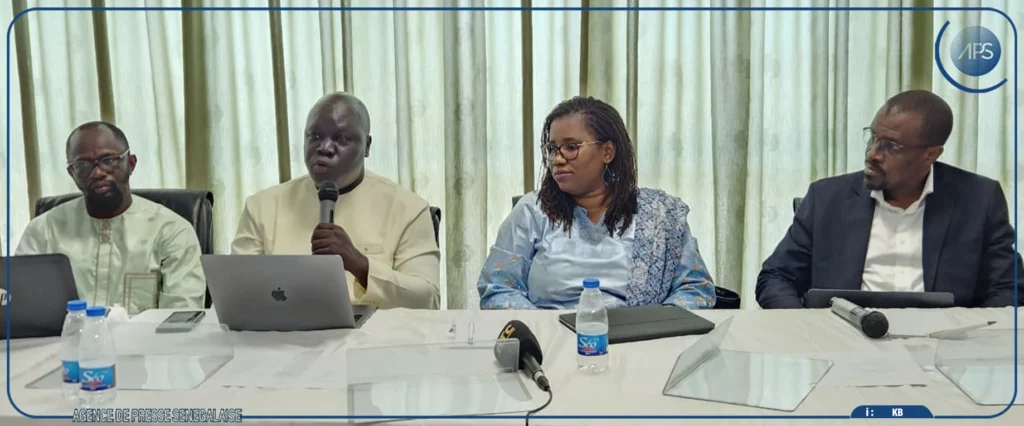
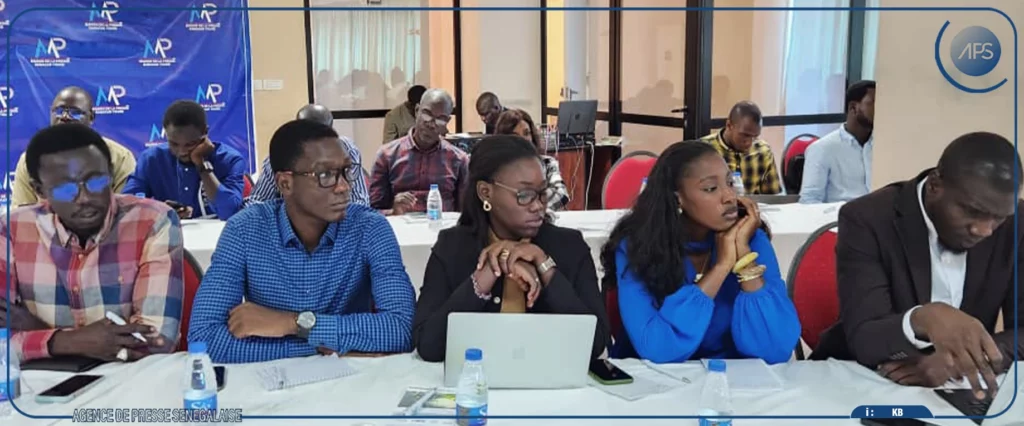
Mrs. Diallo was speaking during a workshop dedicated to strengthening the capacities of journalists on the Partnership for a Just Energy Transition (JETP) in Senegal, with the participation of the Association of Journalists for Transparency in Extractive Resources and Environmental Protection (AJTREPE).,
The African Climate Foundation (ACF) and the president of the Energy and Natural Resources Commission of the National Assembly, Babacar Ndiaye, also participated in this meeting.
The JTEP is a mechanism that allows countries that have adopted it to set ambitious goals and find partners in order to move towards a sustainable ecological transition.
Senegal, like other G7 countries, has developed a model for ecological transition at a cost of 8.5 billion CFA francs, with the establishment of a steering committee based at the Ministry of Energy, Petroleum and Mines.
Its three main objectives are to achieve an energy mix of 40% by 2030, universal access to electricity, and a reduction of the carbon footprint in the Senegalese economy.
The noted limitations concern “a lack of inclusion of journalists, parliamentarians, and local authorities in the steering committee and the centralization of the model around the Ministry of Energy, thereby reducing the participation of other ministries,” according to the director of CRADESC.
She believes that “renewable energy should not only benefit urban areas but should also serve local communities, rural communities, and in fields such as agriculture, fishing, and product processing, among others.”
“This underscores the importance of journalists embracing this advocacy, considering the “crucial role [they play] in the transmission of information, transparency in public debate, and civic engagement and oversight.”
Fatima Diallo states that she is “convinced that there can be no just and inclusive energy transition without dialogue with all stakeholders, without taking into account territorial issues, and the involvement of everyone, particularly journalists at both national and local levels.”
KM/HK/BK








