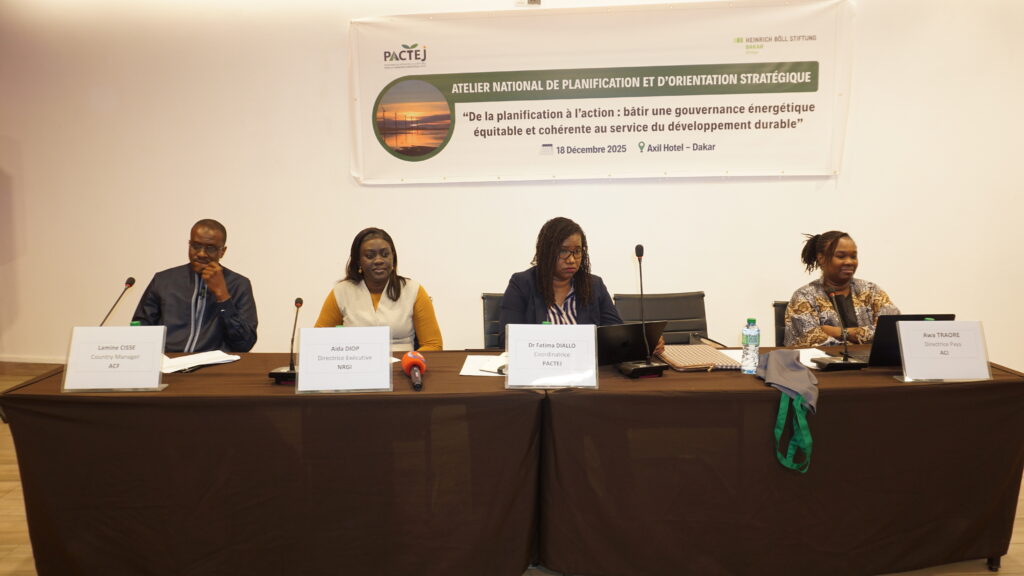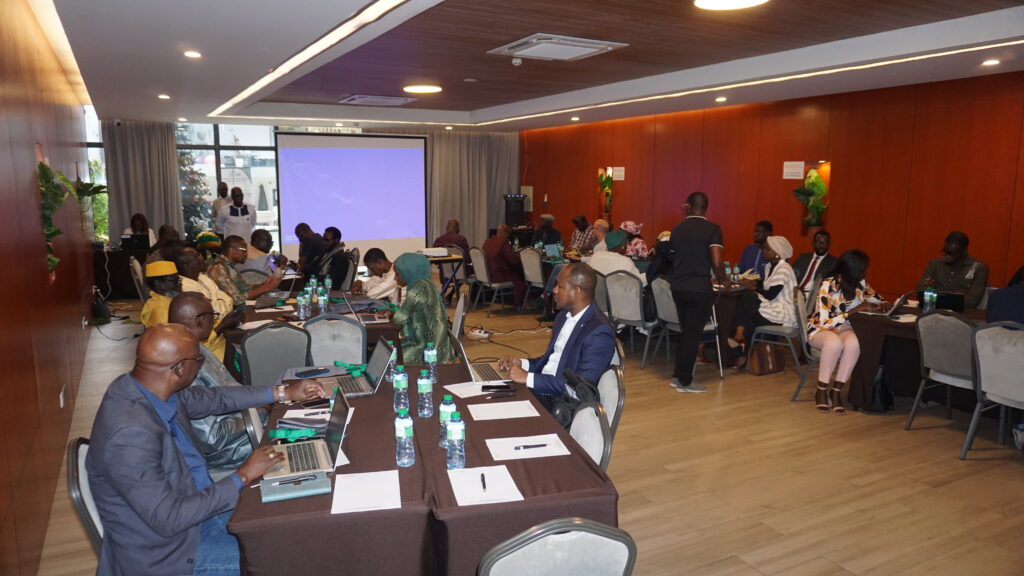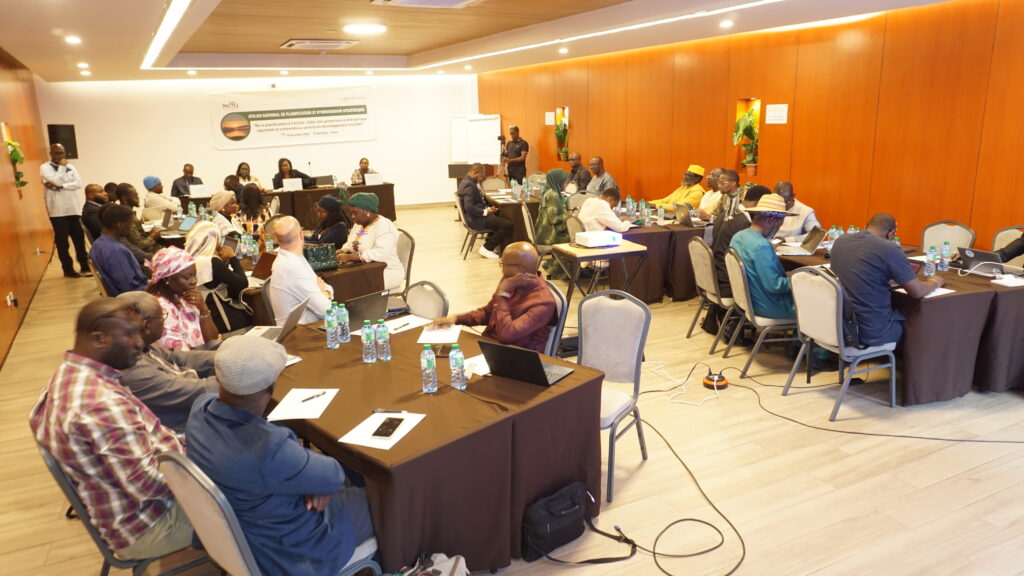
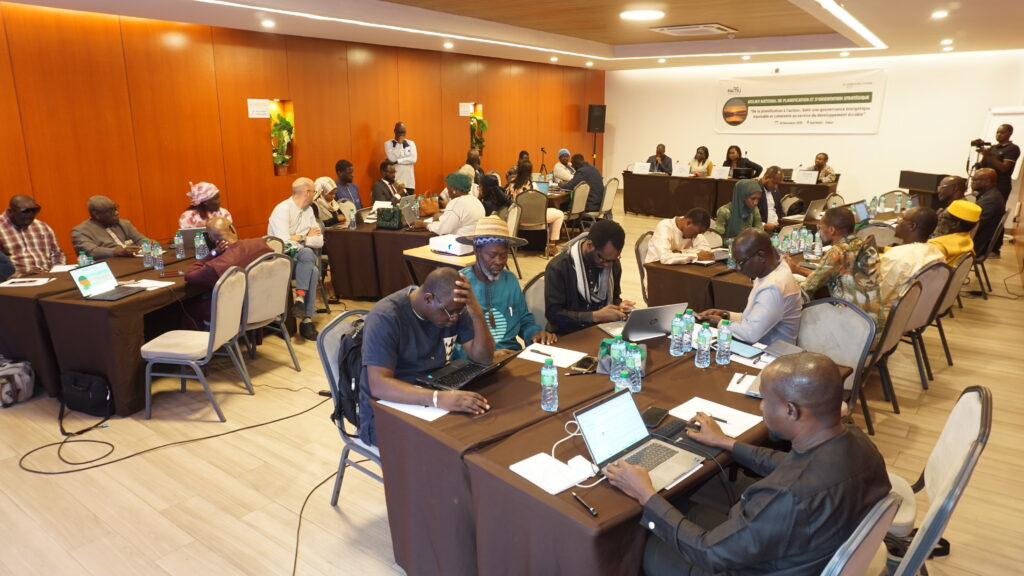
(Online translation) – The Platform of Civil Society Actors for a Just Energy Transition (PACTEJ) held a national planning and strategic guidance workshop on December 18, 2025, in Dakar, marking a key milestone in structuring collective civil society action in favor of a just energy transition in Senegal.
The meeting brought together the member organizations of the platform, energy and climate experts, as well as technical and institutional partners, in a context where the exploitation of oil and gas resources coincides with Senegal’s commitments to a sustainable energy transition.
Consolidate a common vision
The main objective of the workshop was to define a clear strategic direction and short-term operational planning, in order to strengthen the effectiveness, coherence, and impact of PACTEJ’s interventions.
The discussions helped to strengthen a shared vision of a just energy transition, based on the principles of social equity, territorial justice, citizen participation, and environmental sustainability. They also highlighted the need for a more structured role for civil society in the national energy debate.
Clearly identified strategic priorities
The group work made it possible to identify several priority strategic areas, including:
- Strengthening the coordination of civil society actions on energy issues;
- Improving the political and legal framework, particularly regarding the reduction of methane emissions;
- Accelerating the gradual phase-out of coal;
- Transferring skills and technologies from energy projects in order to leverage local knowledge;
Through these priorities, the platform expresses its commitment to playing a leading role in a more coherent, inclusive energy transition that is adapted to territorial specifics.
A call to change the narrative on renewable energy
Speaking at the workshop, Mr. Fabian Heppe, Director of the Heinrich Böll Foundation Senegal (HBS), a key partner of PACTEJ, expressed his concern about the persistent difficulty in advancing public discourse on renewable energy. He regretted that, despite the numerous reports and analyses produced over the years demonstrating their environmental and economic benefits, “the narrative is still struggling to change.”
Communities at the heart of concerns
Addressing the concerns expressed by communities regarding the negative externalities of oil and gas exploitation, Dr. Fatima Diallo, coordinator of PACTEJ, questioned the direction and pace that the government intends to give to the energy transition. She reaffirmed the need to make the energy transition a concrete, fair, and equitable reality, benefiting communities and territories. She also spoke about three key drivers of a just energy transition: financing, the economic model to prioritize, and the need to rethink the narrative around the energy transition so that it is centered on the realities and priorities of communities.
At the end of the work, the various participants, including Awa Traoré and Aida Diop, representatives of African Climate Insights (ACI) and the Natural Resource Governance Institute (NRGI) respectively, praised the richness and quality of the discussions. Furthermore, the platform reaffirmed its commitment to work, alongside its member organizations and partners, to promote inclusive and fair energy governance, based on citizen participation and consideration of community needs.
This workshop represents a decisive step in strengthening the role of civil society in supporting Senegal towards a just, sustainable, and socially responsible energy transition.